


Medication Gone Green
- Reggie Nketiah

- Jan 15, 2023
- 4 min read
Updated: Aug 31, 2023
Marijuana, A.K.A Cannabis, is a hot topic, with many states having already legalized the drug for medical and/or recreational use and other states pushing for similar legalization. Marijuana has been controversial in the United States for decades. But for a significant portion of modern human history, marijuana had medicinal, spiritual, and recreational uses that date back at least 5,000 years.

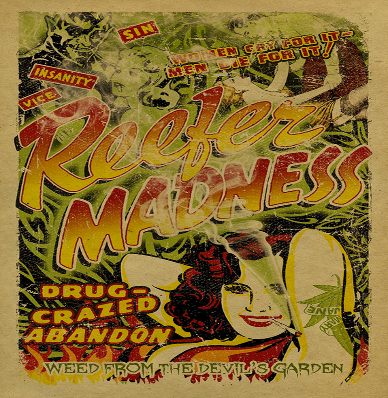
However, the history of cannabis and its uses – either recreationally or as medicine – specifically in the United States, is full of government corruption, misinformation, controversy, and systemic racism (what’s new?). As medical marijuana slowly made its way to the USA, politicians and intolerant media organizations moved to marginalize local minority communities by demonizing the plant with propaganda, smear campaigns, and sensationalist news that was based on opinions rather than facts.

Now, let’s get to the facts.....
WHAT IS MARIJUANA‘S HISTORY?

Marijuana's history is tied to many iconic time periods. Archeologists have found evidence of marijuana paraphernalia as far back as the first millennium BC in India, China, Africa, and Assyria. The Ancient Egyptians reportedly used marijuana to treat glaucoma as well as general inflammation. Chinese Emperor Fu Hsi called cannabis a popular medicine in 2,900 BC, and the Chinese had identified more than 100 medicinal uses for marijuana by 100 AD.
WHAT ARE THE MEDICAL USES?
Though cannabis is known to be used for “getting high”, “being stoned”, or simply “feeling good”, the use of cannabis as a medicine is starting to gain recognition in today’s world. However, there are many misconceptions about the use of the plant on mainstream outlets due to the fact that it opposes a threat to big pharmaceutical companies – UH OH! But if cannabis
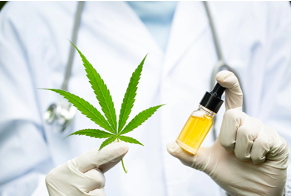
were to be legalized nationwide a long time ago, patients would have solved their medical problems using cannabis that can easily be grown at home without pharmaceutical interaction. However, this was not the case, and now many patients with medical problems constantly experience intolerable side effects, refractory illness, and inadequate alleviation through pharmaceutical drugs that could have been easily replaced with cannabis plants to treat all sorts of medical problems – but that would hurt Big Pharma’s pockets, YIKES.
BODY-OLOGY

The human body has a cannabis chemical-producing factory called the endocannabinoid system. All vertebrate species, including humans, have an endocannabinoid system. The endocannabinoid system is one of the great unknowns of biology – I wonder why.
Fundamentally, it is a neurotransmission system. Scientifically, the endocannabinoid system of the human body contains endogenous cannabinoids (endocannabinoids), cannabinoid receptors, and the enzymes responsible for the synthesis and degradation of endocannabinoids. In other words, it regulates the flow of signals that are being sent between cells for maintaining balance. Endocannabinoids have a short life span. They are prepared and released on demand as a response to a trigger. The triggers include illness, injury, inflammation, and other imbalances.

TOP BENEFITS (Click for more info)
WHY IT IS NOT USED IN HEALTHCARE TODAY?

As part of the racist “War on Drugs” campaign, the Controlled Substances Act of 1970, was signed into law by President Richard Nixon. It moved to list marijuana as a Schedule I drug. This effectively meant that the drug could not be prescribed for medical use as it had a high potential for abuse by users. A new wave of propaganda against marijuana began. The drug was identified in several anti-drug programs at the time, such as D.A.R.E. (Drug Abuse Resistance Education) as a “gateway drug.”
MEDICINAL VS RECREATIONAL
Technically, there is no difference between the marijuana plant and products used to treat medical conditions or those used for recreational purposes as it still stems from the same plant. The main difference between medical and recreational marijuana is how they are legally sold which is why some states have legalized it for medical and some recreational – tax purposes. Therefore, it is really up to the individual and how they use marijuana as it can be enjoyable for some but can be medicinal for others. Marijuana, if used, is advised to be consumed moderately and not excessively, just as any other substance.

SO HOW CAN WE MOVE FORWARD?
We can see that cannabis is an extremely safe and effective medication for many patients, especially with chronic pain. In contrast to opioids and other available pain medications, cannabis is relatively non-addicting and has the best safety record of any known pain medication (no deaths attributed to overdose or direct effects of medication). Adverse reactions are mild and can be avoided by titration of dosage using smokeless vaporizers, creams, lotions, tinctures, low-dose edibles, or even teas.
More research needs to be pursued to discover degrees of efficacy in other areas of promise. Patients deserve to have cannabis released from its current federal prohibition so that scientific research can proceed and so that physicians can prescribe cannabis with the same freedom as any other safe and effective medication.
However, cannabis is way too healthy for a sick healthcare system.......
But what do you all think? Should we legalize Marijuana nationwide?
The views expressed in this article are those of the author and do not reflect the official position of Speaking My Language.

Comments